
More than just a stomach ache: how my father’s struggle led me to the microbiome
By Manxi Huang
What happens at the dinner table... doesn't stay there.
Since I was a young girl, the relationship between food and the human body never failed to fascinate me. This curiosity wasn't born in a classroom, but at my own dinner table. My father constantly struggled with digestive issues.
Back in those days (early 2000s), digestive problems were rarely considered serious enough to pay a hospital a visit. With the rapid industrialization of China and the westernization of our diet, eating habits changed swiftly, yet digestive issues were often mislabelled as simple "stomach problems." Most people, including my father, simply endured the discomfort until it was too late. But as we know, such inconvenience is like a paper cut: it is not life-threatening, yet it is stinging, persistent, and impossible to ignore.
The mystery of the "weak stomach".
We looked everywhere for a solution. Local drug stores sold popular tart, herbal tablets made of hawthorn and yam. My father took them undoubtedly, yet his symptoms persisted. We assumed the culprit was a "weak stomach" caused by his messy lifestyle. He was a busy corporate worker, seven days a week, with irregular meals and frequent drinking at business dinners.
We also adjusted our family menu. While the traditional Chinese diet is rich in green vegetables, we also consume heavy portions of carbohydrates like rice and mantou—dense, fluffy steamed buns (staple food picture). We tried shifting his diet to balance these out, but this strategy failed to improve his symptoms. He remained constantly gassy, facing daily inconvenience and frustration.
So, what happened?
Desperate for answers, he did a gastroscopy to look inside his stomach. The results were baffling: his stomach looked perfectly healthy.
If the organ was fine, why was the suffering real?
This mystery planted the seed of curiosity that would eventually lead me to study the gut microbiome.
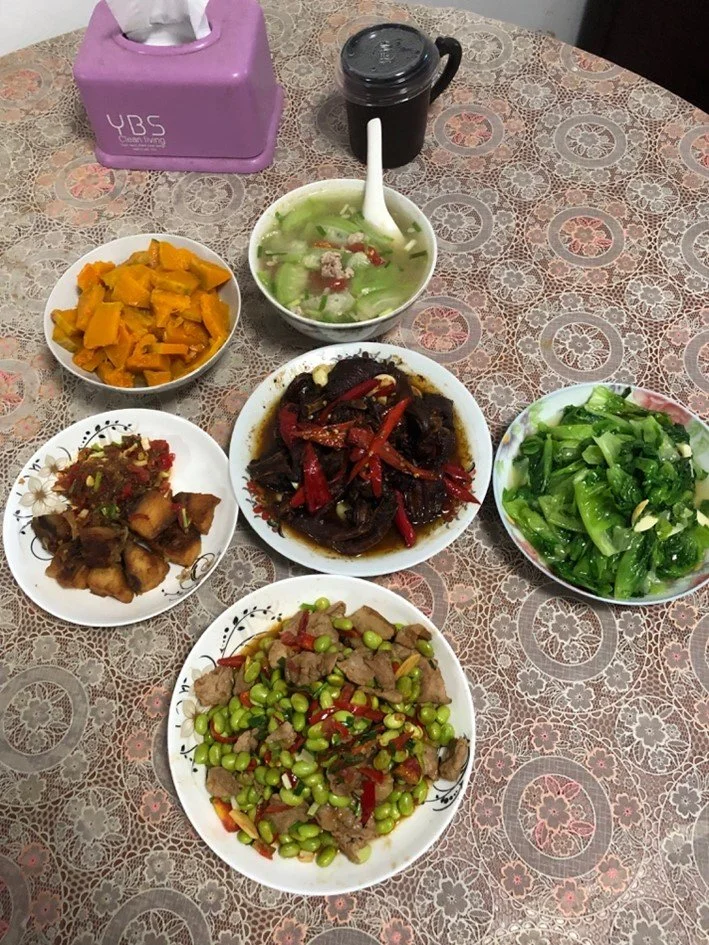
Dinner at my household. Real Chinese food is way more than just Chow Mein and Peking Duck. It is a complex balance of greens and staples.
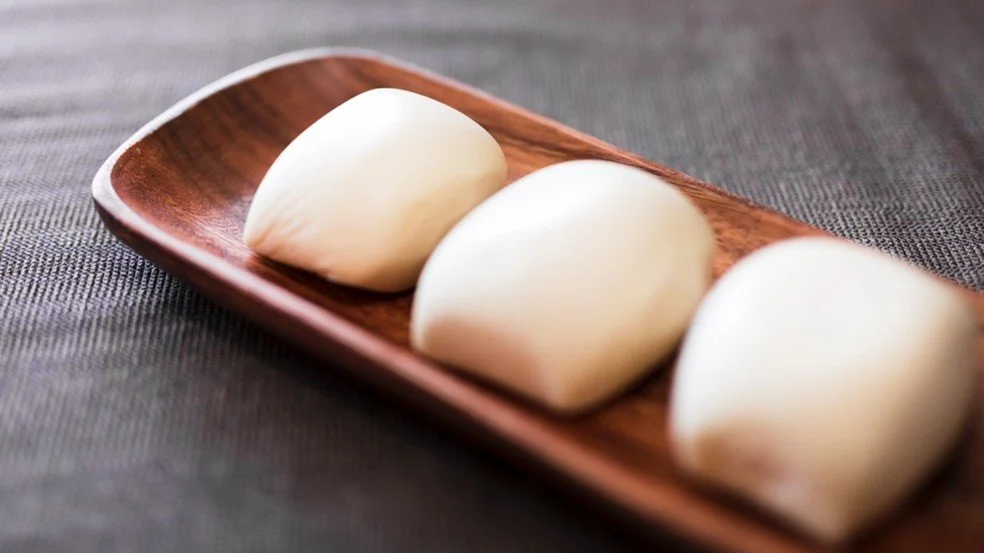
Mantou (馒头)
Finding the invisible gut microbiome
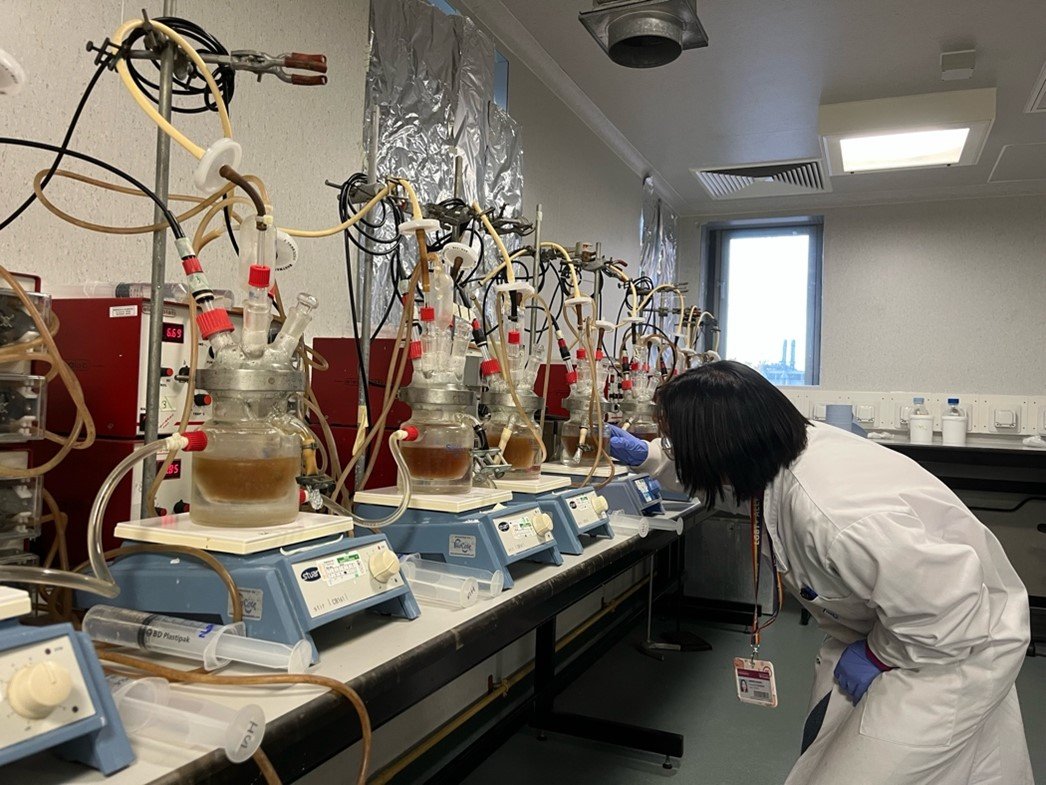
As I studied further, the pieces finally clicked. The herbal tablets might have offered mild relief, but mechanistically, they didn't fix the root cause hidden in his digestive tract. I realised that while I wasn't a gastroenterologist who could offer a diagnosis, I was a researcher who could offer a hypothesis.
I decided to treat this like a pilot study. I proposed a plan involving specific probiotics and prebiotics to see if we could improve his condition. It was fun to bring my work home; my father effectively became "Subject #001." To make it scientific, I designed a monitoring protocol for him: a food diary cross-referenced with the Bristol Stool Chart to objectively track his changes.
Surprisingly, he embraced the role completely, enthusiastically reporting his "data" (his poop!) to me every day. Moreover, it gave him a sneak peek into my world, allowing him to finally understand the practical side of my research.
The results were revealing. The data showed a clear pattern: his persistent gas wasn't random. It appeared that excessive microbial fermentation was occurring, likely due to an imbalance in his gut community. His charts suggested he wasn't suffering from a severe pathology like IBS, but rather a functional dysbiosis that simply needed the right aid to restore balance.
I stopped looking at the stomach and started looking deeper into the digestive system. I realised my family’s struggle was not unique. In fact, it is a story shared by millions. Recent data depict a clear picture (Biocodex Microbiota Institute & Ipsos, 2025): in China, 61% of people have experienced digestive discomfort in the last year. Yet the same report highlights a gap in understanding: only 18% actually know exactly what the microbiome is. We drink the yogurt; we take the herbal pills; but few of us truly understand the invisible engine driving our health.
A Mission for a Generation
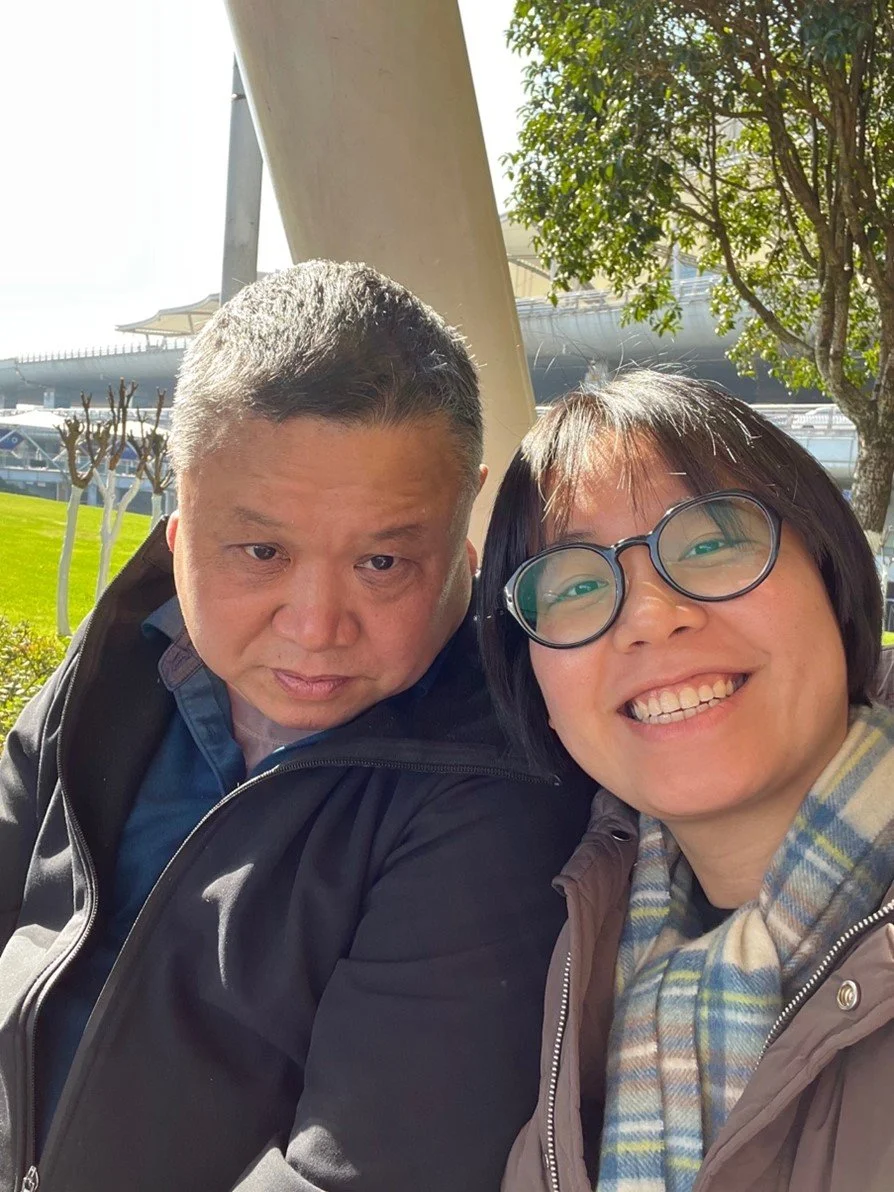
Today, my father’s life looks very different. He manages his gut health with specific probiotics and prebiotics, and importantly, he finally understands why he is taking them. But his success story shouldn't be an exception.
In China, thousands of households face the same confusion he once did. Our market is flooded with products claiming to be 'probiotics,' yet their regulation can be inconsistent. I often hear stories from my father’s friends, who are educated, middle-class professionals, buying expensive supplements that turn out to be ineffective because the bacteria cannot survive the journey to the gut.
The desire for health is there, according to Biocodex Microbiota Institute and Ipsos (2025), 74% of people in China are interested in testing their microbiome, 68% already consume probiotics, which is far higher than the global average. My father’s generation is willing to invest in their health, but they are often navigating without a compass.
This is where my fuel comes from. The experience of working with my dad to improve his gut health has become my lifelong passion: to make science better, more accessible, and more down-to-earth.
Reference:
Biocodex Microbiota Institute, & Ipsos. (2025). International microbiota observatory: Third wave, Chinese results. https://www.biocodexmicrobiotainstitute.com/en/international-microbiota-observatory/2025/china