Fecal Microbiota Transplants and Super Donors: Born or Made?
By Annika M. Weber, PhD
Fecal microbiota transplants (FMT) may be one of the more unconventional therapies in modern medicine. By transferring microbes from the gut of a healthy donor to a patient, FMT harnesses nature's own microbial ecosystem to restore health. This treatment, once viewed with skepticism, has now become a highly effective microbiome therapy for diseases such as recurrent Clostridioides difficile infection (rCDI), with success rates of up to 80-90% in patients after treatment (1–3). Yet, when looking to apply the same approach to more complex conditions, including inflammatory bowel disease (IBD), irritable bowel syndrome (IBS), and cancer immunotherapy treatment, the results are far less consistent (4).
So why does FMT work so well for some diseases but not others?
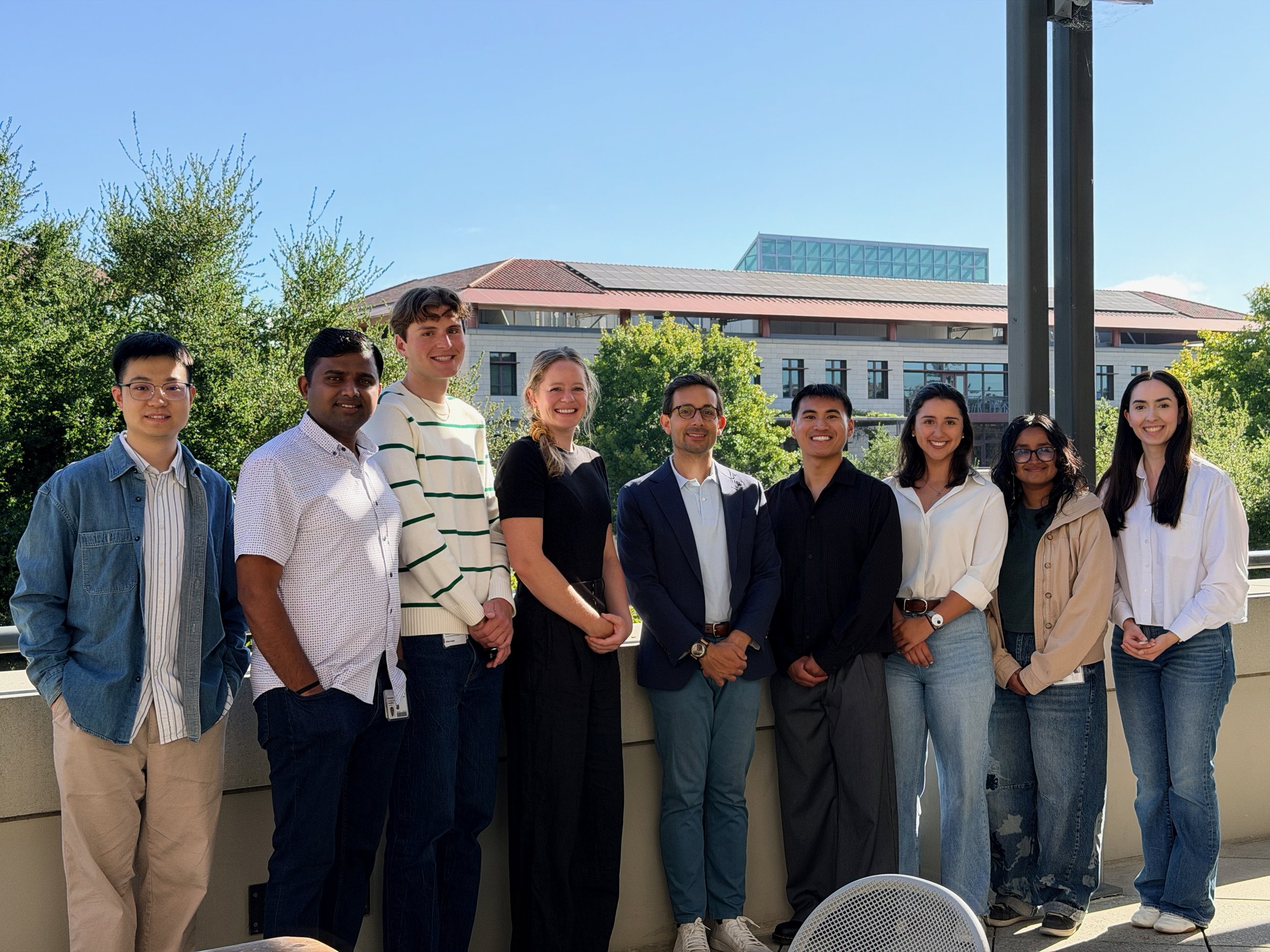
The Spencer Lab, 2026
The answer may lie not only in the microbes being transferred, but also in the new environment they encounter after transplantation. Understanding the factors that determine the establishment and clinical success of FMTs is one of the central questions we are investigating in the Spencer Lab as we work toward developing more effective, personalized microbiome-directed therapies.
An Ancient Therapy with Modern Momentum
Before diving into these microbiome therapies, it is worth taking a step back to see where FMT began. Although this treatment may sound like a modern concept, fecal transplantation dates to fourth century China, where the “Handbook of Emergency Medicine” described fecal suspensions to treat severe diarrhea and gastrointestinal illness (5). During the Ming Dynasty, physicians also described fermented fecal preparations, affectionately called "yellow soup," to treat patients with vomiting, fever, constipation, and severe diarrhea (6).
Thankfully, FMT has come a long way since then.
Today, donor material undergoes rigorous screening and processing before being delivered, with FDA approved microbiome therapeutics for rCDI now on the market, such as VOWSTTM and REBYOTA®. What was once unconventional, has now become a largely accepted treatment in modern medicine, opening the door to an entirely new generation of microbiome-based therapeutics. But as FMT began to move beyond rCDI into more complex diseases, one unexpected observation emerged: not all donor stool performed equally well.
Enter the Super Donor
In clinical trials for conditions like IBD, some donors consistently led to better clinical responses in recipients than others. Some of the first compelling evidence came from Moayyedi et al. (2015). In this study, 75 patients received weekly FMT or placebo enemas for six weeks. Although FMT significantly increased remission rates overall, it was observed that of the nine patients with clinical remission, seven had received stool from the same donor (7). This was one of the first demonstrations that clinical success could be strongly donor-dependent, giving rise to the "super donor".
Since then, other studies have continued to explore this phenomenon. In a subsequent ulcerative colitis trial, investigators used pooled donor FMTs, combining stool from multiple donors in an effort to maximize microbial load and reduce variability. However, analysis revealed that patients receiving FMT batches with one particular donor’s stool achieved substantially higher remission rates than those receiving batches without that donor (8).
Similarly, the “super donor” effect was studied in IBS, where rather than using stool from multiple donors, the investigators selected a single rigorously screened "super donor" based on exceptional health and a favorable gut microbiome profile. Patients who received FMT from this donor experienced significantly greater symptom improvement than those receiving placebo, suggesting that donor characteristics can play a critical role in determining FMT success (9).
Evidence for super donors is not limited to gastrointestinal disorders. Davar et al. and Baruch et al. (2021) demonstrated that transferring the gut microbiota from patients who had high response to immune checkpoint inhibitor therapy could restore treatment responsiveness in some patients with refractory disease (10,11). These studies suggest that the therapeutic benefit of FMT is not only in restoring microbial communities, but also in transferring specific microbial functions.
Unlike rCDI, where disruption of the gut microbiome can lead to a loss of colonization resistance, conditions such as IBD, IBS, and cancer immunotherapy involve much more complex microbial communities. There are fewer ecological niches waiting to be filled, making successful engraftment much more difficult.
Here, the characteristics of the donor material become very important.

“Be a stool donor hero”, an add from the Stanford Stool Donor Bank
So, what makes someone a “super donor”?
This is the key question. Studies suggest that successful clinical outcomes of FMT is associated with greater donor microbial engraftment, with higher donor strain engraftment observed among responders (12). In IBD clinical trials, donors with higher bacterial richness were more likely to induce clinical remission (13). Beyond diversity alone, other factor such as the roles of keystone microbial species (14), beneficial metabolite production (15), bacteriophages (16), and especially the diet (17) are being investigated.
Perhaps the most important takeaway so far is that there may not be a universal “super donor.” A donor who works exceptionally well for one disease, or even one individual, may not work nearly as well for another. Success may be less about finding the perfect all-encompassing donor material and more about finding the right microbial consortium for the right patient. Increasing evidence suggests that a patient's response depends not only on successful microbial engraftment but also on whether the transplanted community can restore the specific metabolic and functional deficiencies underlying their disease.
This realization has shifted the field toward precision FMT, where donor selection is tailored to the patient's disease biology rather than relying on a one-size-fits-all approach. However, even precision donor matching still depends on finding suitable donors, whose microbiomes are inherently variable and difficult to standardize.
Can We Create a Super Donor?
Instead of searching for rare individuals with exceptional microbiomes, we are beginning to ask a different question. Could we rationally create one?
Perhaps the future is not about identifying rare super donors at all. Maybe it's about learning what makes them so effective and recreating those functions in a more controlled and reproducible way.
This is where live biotherapeutic products (LBPs) come in.
Rather than transplanting an entire stool sample containing billions of microorganisms, many of which we still haven’t identified, LBPs are made of rationally selected bacterial strains with known functions. The goal is to replace an undefined biological mixture with a precise microbial therapy that is safe, consistent, and designed for a specific individual with a specific disease.
But simply delivering beneficial bacteria isn't enough. Increasing evidence suggests diet is a crucial component of the microbiome therapies and is a major contributor to microbial engraftment. A synbiotic approach of pairing beneficial bacteria with the dietary fibers and nutrients they naturally thrive on substantially improves microbial engraftment and continued metabolite production. Rather than hoping the new microbes find what they need once they arrive, we can provide the fuel that helps them establish in these ecological niches.
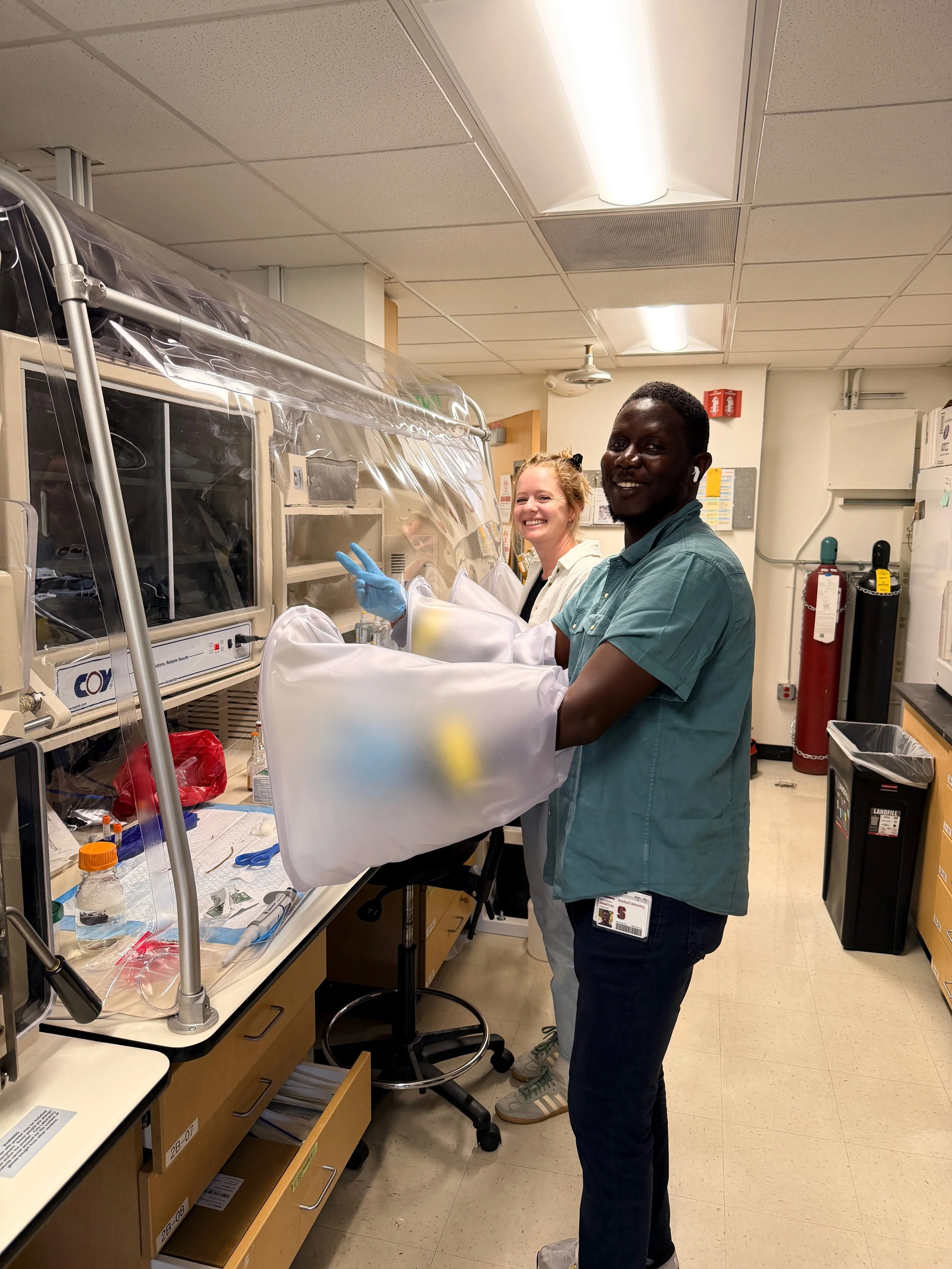
Niokhor Dione and Annika Weber culturing bacteria
Ultimately, the future of microbiome medicine may combine defined microbial consortia with personalized nutrition, creating therapies that are tailored not only to a patient's disease but also to the ecology of their existing microbiome. Instead of searching for a universal “super donor”, we may be able to recreate the beneficial functions of today's best donors through rationally designed microbial communities supported by diet.
In the Spencer Lab, this is exactly what we're trying to do. By combining stool donor biobanking, microbial ecology, metabolomics, and nutrition, we're working to understand not just who makes a “super donor”, but why. If we can identify the microbes, metabolic functions, and dietary factors that drive successful engraftment, we may be able to intentionally build microbiome therapeutics that lead to more effective clinical outcomes and long-term disease treatment.
References
1. Brandt, L. J. et al. Long-term follow-up of colonoscopic fecal microbiota transplant for recurrent Clostridium difficile infection. Am. J. Gastroenterol. 107, 1079–1087 (2012).
2. van Nood, E. van et al. Duodenal Infusion of Donor Feces for Recurrent Clostridium difficile. N. Engl. J. Med. 368, 407–415 (2013).
3. Baunwall, S. M. D. et al. Faecal microbiota transplantation for recurrent Clostridioides difficile infection: An updated systematic review and meta-analysis. EClinicalMedicine 29–30, 100642 (2020).
4. Baydoun, H., Hussain, N., Wu, K. O., Kelly, C. R. & Fischer, M. What’s New and What’s Next in Fecal Microbiota Transplantation? Biol. Targets Ther. 19, 481–496 (2025).
5. Ge, H. Zhou Hou Bei Ji Fang [Handbook of Prescriptions for Emergencies]. vol. Original work published c. 4th century (Tianjin Science and Technology Press, 2020).
6. Li, S. Ben Cao Gang Mu [Compendium of Materia Medica]. vol. (Original work published 1596) (Huaxia Publishing House, 2011).
7. Moayyedi, P. et al. Fecal Microbiota Transplantation Induces Remission in Patients With Active Ulcerative Colitis in a Randomized Controlled Trial. Gastroenterology 149, 102-109.e6 (2015).
8. Paramsothy, S. et al. Multidonor intensive faecal microbiota transplantation for active ulcerative colitis: a randomised placebo-controlled trial. The Lancet 389, 1218–1228 (2017).
9. El-Salhy, M., Hatlebakk, J. G., Gilja, O. H., Bråthen Kristoffersen, A. & Hausken, T. Efficacy of faecal microbiota transplantation for patients with irritable bowel syndrome in a randomised, double-blind, placebo-controlled study. Gut 69, 859–867 (2020).
10. Davar, D. et al. Fecal microbiota transplant overcomes resistance to anti-PD-1 therapy in melanoma patients. Science 371, 595–602 (2021).
11. Baruch, E. N. et al. Fecal microbiota transplant promotes response in immunotherapy-refractory melanoma patients. Science 371, 602–609 (2021).
12. Ianiro, G. et al. Variability of strain engraftment and predictability of microbiome composition after fecal microbiota transplantation across different diseases. Nat. Med. 28, 1913–1923 (2022).
13. Vermeire, S. et al. Donor Species Richness Determines Faecal Microbiota Transplantation Success in Inflammatory Bowel Disease. J. Crohns Colitis 10, 387–394 (2016).
14. Zhang, Y. J. et al. Higher alpha diversity and Lactobacillus blooms are associated with better engraftment after Fecal Microbiota Transplant in Inflammatory Bowel Disease. medRxiv 2023.01.30.23285033 (2023) doi:10.1101/2023.01.30.23285033.
15. Schwarz, A. et al. The role of microbial metabolites in fecal microbiota transplantation in patients with acute gvhd of the gut. Blood 146, 4236 (2025).
16. Pastor, B. G., Shkoporov, A. N. & Hill, C. Not just passengers: Phages as agents of genetic exchange in fecal microbiota transplantation. Cell Host Microbe 34, 780–789 (2026).
17. Gogokhia, L. et al. Donor composition and fiber promote strain engraftment in a randomized controlled trial of fecal microbiota transplant for ulcerative colitis. Med 6, (2025).