Why Do We Eat Yogurt? A Question That Followed Me From Childhood
By Naglaa Ramadan Atta
Why do we eat yogurt?
It was one of the simplest questions I asked as a child, yet it stayed with me for years. Adults around me always said yogurt was “good for the stomach.” I heard it so often that it sounded like an unquestionable truth.
But to me, it was confusing. Yogurt was just milk that had somehow changed into something sour, thick, and full of invisible life. How could something I could not even see affect the human body?
At the time, this was only a child’s curiosity. I did not know that this small question would later shape the direction of my scientific life.
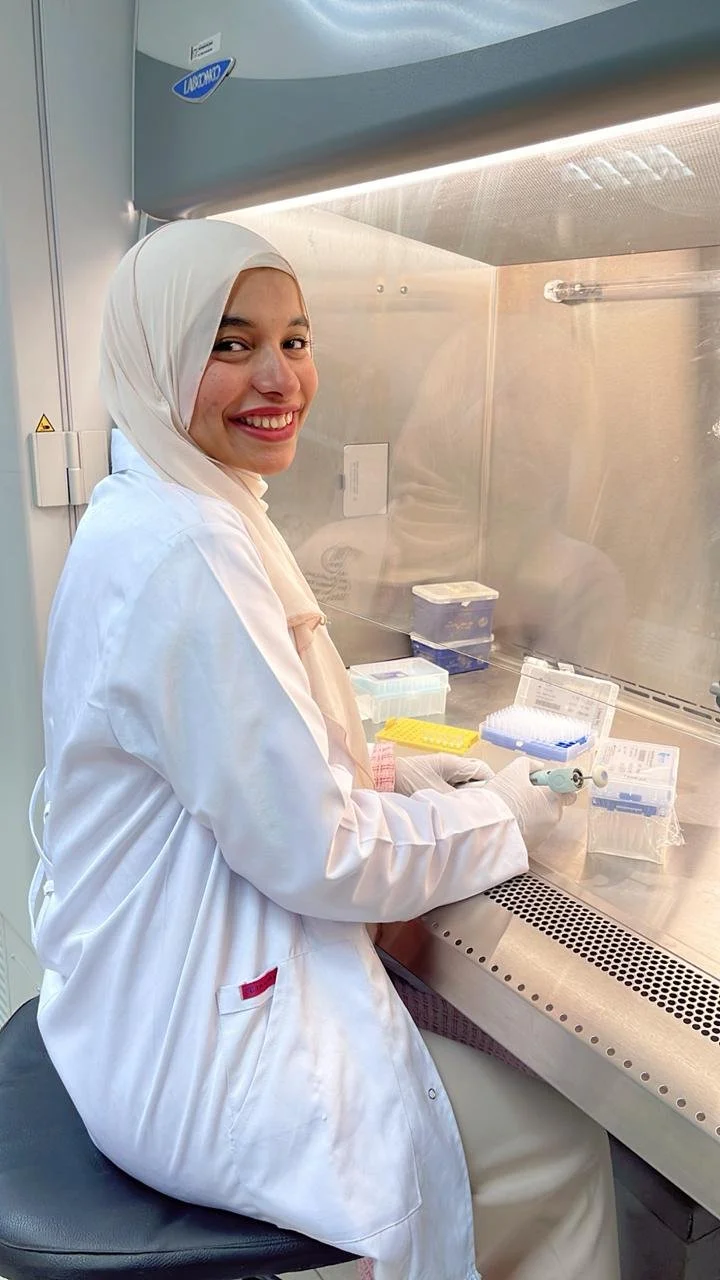
From asking simple questions about yogurt to exploring the microbiome in the lab, my journey into science has always been driven by curiosity about the invisible world shaping our health.
When digestion became personal
My curiosity about digestive health was not only theoretical. It was deeply personal.
From a young age, I suffered from persistent stomach problems. I visited many doctors, hoping for a clear explanation, but the answer was usually vague: “It’s just stomach issues.” Medications were prescribed, symptoms came and went, but the deeper question remained unanswered. Eventually, I learned to live with the discomfort, but I never stopped wondering what was really happening inside my body.
Later, I underwent gastroscopy and was diagnosed with gastroesophageal reflux. The diagnosis gave a name to part of the problem, but it did not fully satisfy my curiosity. I still wanted to understand the biological mechanisms behind digestive symptoms. Why did the body react this way? What invisible processes were involved? And could microorganisms somehow be part of the story?
Discovering the microbiome
Years later, during high school and then university, I began to study biology more seriously. That was when I encountered a concept that completely changed the way I saw human health: the body is not made only of organs, tissues, and human cells. It is also home to trillions of microorganisms.
For the first time, my childhood question about yogurt started to make sense.
I learned that the human microbiome plays important roles in digestion, immunity, metabolism, and overall health [1]. I was fascinated by the idea that microorganisms are not always harmful invaders. Many of them are essential partners in human biology. I also discovered the concept of dysbiosis [2,3], an imbalance in microbial communities that may contribute to disease.
Suddenly, things that once felt disconnected began to come together.
The yogurt I had questioned as a child, my long history of stomach problems, and my growing love of biology all seemed to belong to the same larger scientific story.
Research often looks exciting from the outside, but in reality, it demands patience, persistence, and the ability to tolerate not having immediate answers. Still, one idea kept me moving forward: there are answers hidden in this invisible world, and I want to be part of finding them. That belief carried me through the difficult moments, it transformed my curiosity into a research direction, ultimately leading to the completion of my master’s thesis.
From probiotics to postbiotics
As I continued my postgraduate studies, my interest became more focused. I was especially drawn to probiotics and how beneficial microorganisms may support health [4]. But over time, my questions expanded. Was it only the live microorganisms that mattered? Or could the compounds they produce also have biological effects? This question introduced me to the field of postbiotics [5], the bioactive products or components derived from microorganisms. I became fascinated by the idea that the benefits associated with microbes might not depend only on keeping them alive. Their metabolites and cellular components could also influence health in important ways. That shift in perspective opened a new scientific path for me.
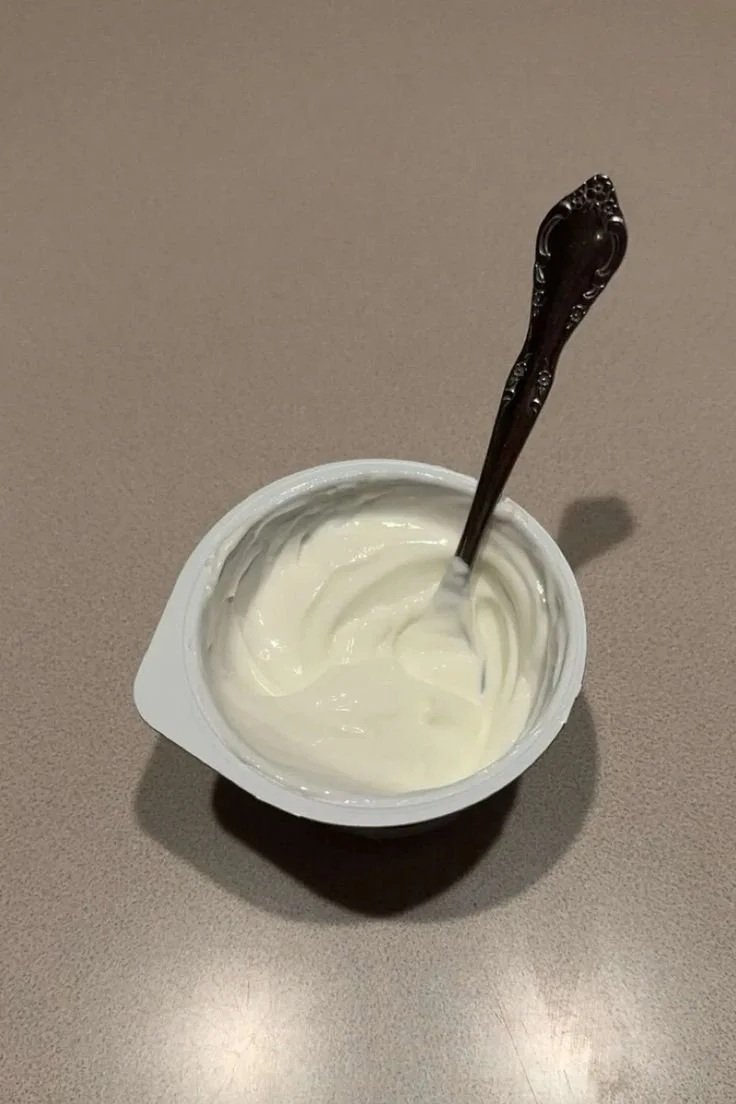
It all started with a simple question: “Why yogurt?”
Turning curiosity into research
My interest in this area eventually led to my published research, which explored the therapeutic potential of postbiotics derived from probiotic strains isolated from sheep and goat sources.
In that work, I investigated whether these postbiotic preparations could show antimicrobial and anticancer activity, I worked with four different postbiotic preparations obtained from Lactobacillus communities, and I wanted to understand whether they could have meaningful biological effects beyond what we usually associate with probiotics alone.
What made this work especially exciting for me was that the results pointed in two important directions at once. On the antimicrobial side, all four preparations showed activity against clinically important bacterial pathogens. Two of them stood out most clearly: one derived from a goat buccal sample and another from a sheep nasal sample. These showed particularly strong inhibitory effects against organisms such as Staphylococcus aureus, Escherichia coli, and Klebsiella pneumoniae. Seeing that kind of activity from preparations derived from animal-associated microbial communities was genuinely exciting, because it suggested that these sources may hold more therapeutic potential than we often assume.
What stayed with me even more was their effect on cancer cell lines. When I tested the postbiotics on MCF-7 breast cancer cells and HT-29 colorectal cancer cells, all four reduced cancer cell viability in a dose-dependent way. At the same time, they showed comparatively lower toxicity toward normal fibroblast cells, which made the findings feel even more meaningful. That selectivity was one of the most encouraging parts of the study for me. Among the preparations, the goat buccal-derived postbiotic showed the strongest effect against MCF-7 cells, giving me one of those rare moments in research when the data make you pause and realize you may be looking at something genuinely promising [6,7].
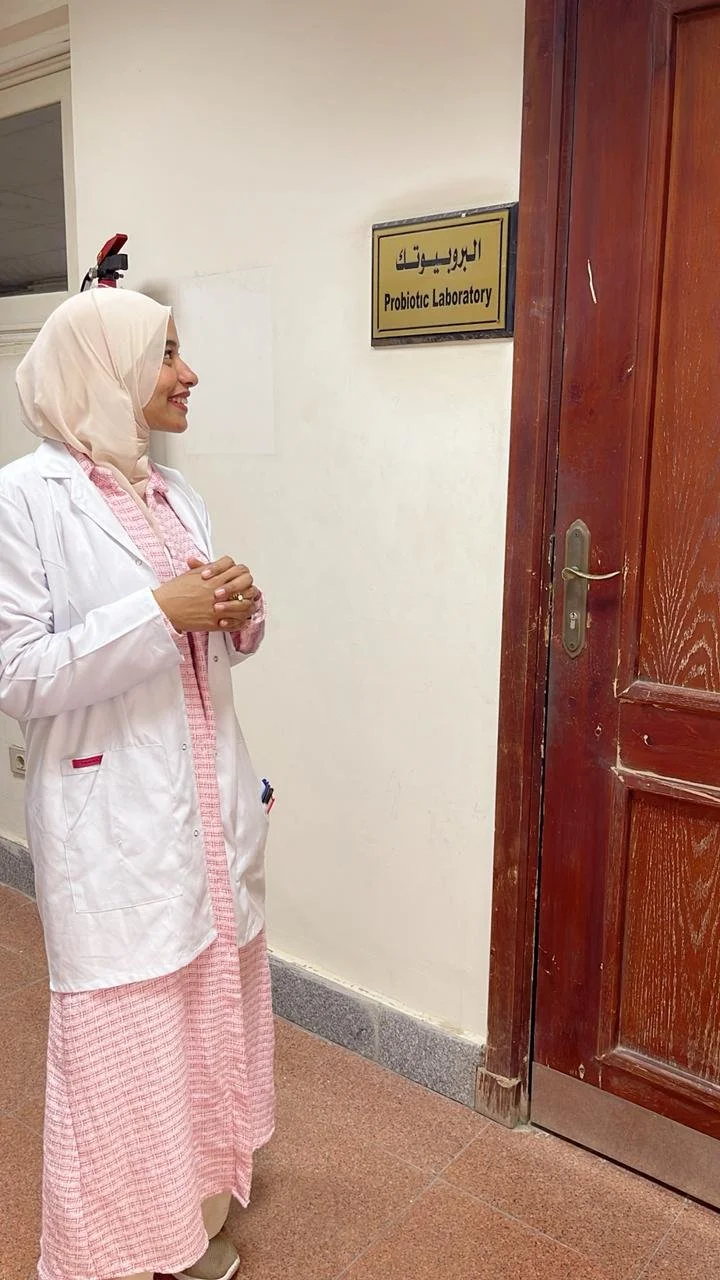
The moment curiosity became a career path.
What the microbiome means to me now
Today, my scientific journey still revolves around the invisible microbial world. The microbiome has taught me to think differently about health and disease. It has shown me that what we cannot see can still have profound effects on the body. It has also taught me that curiosity matters. Sometimes a question that seems small or childish can become the starting point for something much larger.When I look back, I do not see a straight path. I see a child asking questions, a student searching for understanding, and a young researcher trying to connect personal experience with scientific discovery. What links all of these stages is the same simple desire: to understand.
And sometimes I smile when I remember that one of my first scientific questions was not about molecular pathways or experimental models. It was simply this:
“Why do we eat yogurt?”
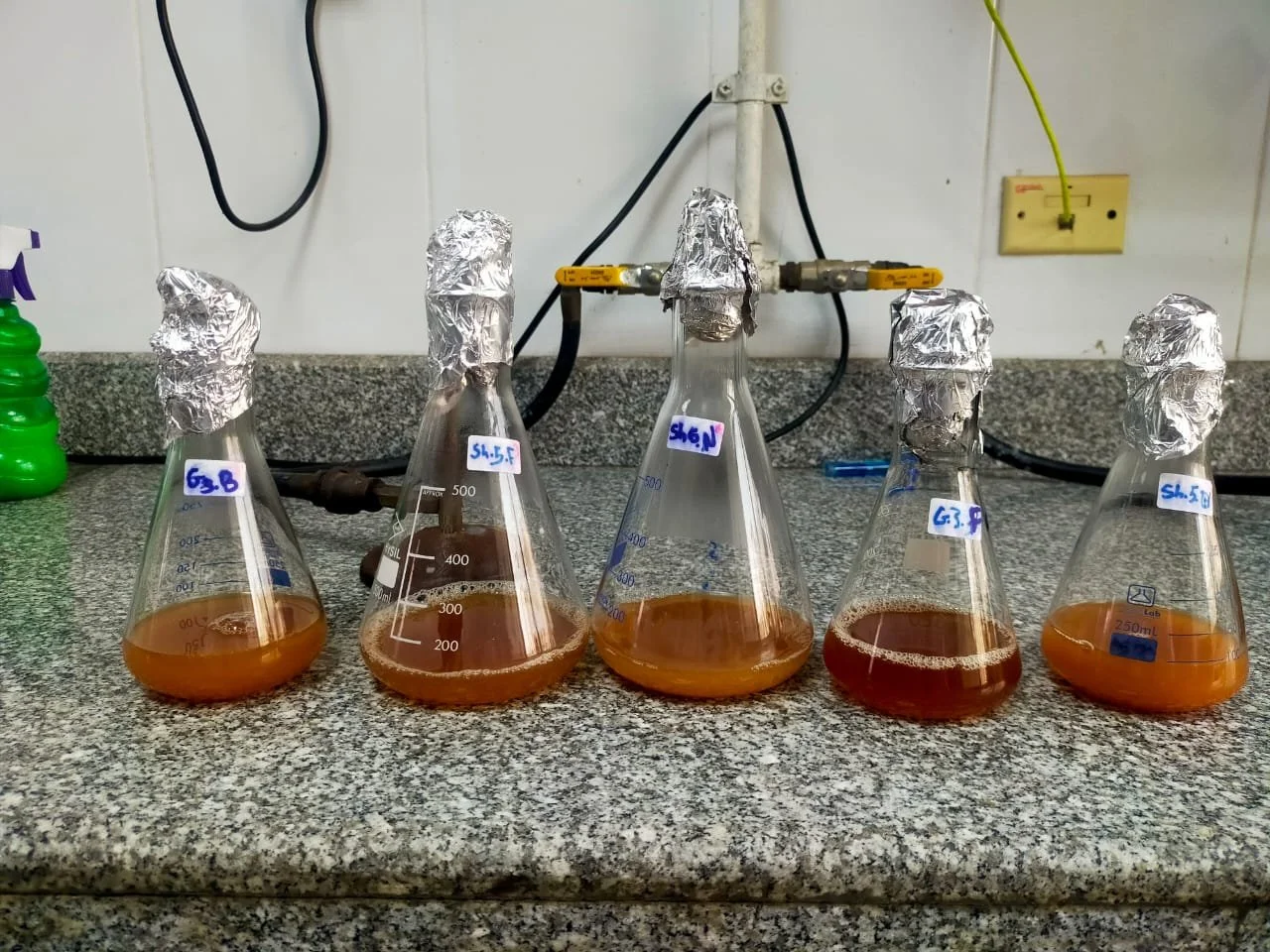
Exploring the invisible world through the microbial cultures
References:
1-Salvadori, M., & Rosso, G. (2024). Update on the gut microbiome in health and diseases. World journal of methodology, 14(1), 89196. https://doi.org/10.5662/wjm.v14.i1.89196
2-Petersen, C., & Round, J. L. (2014). Defining dysbiosis and its influence on host immunity and disease. Cellular microbiology, 16(7), 1024–1033. https://doi.org/10.1111/cmi.12308
3-Carding, S., Verbeke, K., Vipond, D. T., Corfe, B. M., & Owen, L. J. (2015). Dysbiosis of the gut microbiota in disease. Microbial ecology in health and disease, 26, 26191. https://doi.org/10.3402/mehd.v26.26191
4-Hill, C., Guarner, F., Reid, G. et al. The International Scientific Association for Probiotics and Prebiotics consensus statement on the scope and appropriate use of the term probiotic. Nat Rev Gastroenterol Hepatol 11, 506–514 (2014). https://doi.org/10.1038/nrgastro.2014.66
5-Salminen, S., Collado, M.C., Endo, A. et al. The International Scientific Association of Probiotics and Prebiotics (ISAPP) consensus statement on the definition and scope of postbiotics. Nat Rev Gastroenterol Hepatol 18, 649–667 (2021). https://doi.org/10.1038/s41575-021-00440-6.
6-Mohamed, N., Abdou, A., & Tharwat, N. (2026). Exploring the Therapeutic Potential of Postbiotics: Antimicrobial and Anticancer Properties from Sheep and Goat Sources.. Egyptian Pharmaceutical Journal, 25(1), 34-52.https://doi.org/10.21608/epj.2025.406353.1156
7-Naglaa R. A Mohamed; Nagwa A. Tharwat; Amr M. Abdou. "Postbiotics: Emerging Therapeutic Agents in Modern Medicine", Egyptian Journal of Medical Microbiology, 34, 4, 2025, 289-300. https://doi.org/10.21608/ejmm.2025.382023.1624.